Heartstrings
This year’s closing concert is inspired by an intricate emotional life between several great composers. The festival’s final concert plays on the most sensitive strings we have: the heartstrings.

About the concert
The music is drawn from composers who inspired one another in different ways. It is intricate, and Tine will give you an insight into just how intertwined it all really is.
A whole week in Risør is nearing its end, and with more classical concerts than in a long time, we bring this year’s celebration to a close in one of the country’s most important concert venues for classical music.
But do not despair: The heart gets what the heart wants. There is only one year left until we see each other again!
Additional Content
Works in the Concert
This concert has an intermission before César Franck’s Piano Quintet.
Bridal March from Sørfold
Bridal March from Sørfold (trad.)
For the first time, the Festival Choir will take part in a concert in Risør Church.
The Festival Choir has just sung the Nelson Mass in Frydendal Church and is making its way down to this year’s closing concert with Tine Thing Helseth on trumpet, for a heart-stirring opening to the concert.
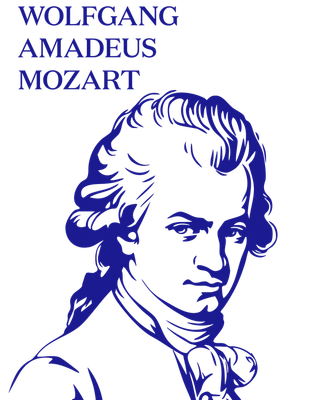
Wolfgang Amadeus Mozart: Rondo in D major
Wolfgang Amadeus Mozart (1756–1791): Rondo in D major, K. 382 (1782)
The Rondo in D major was written as a new finale to the original Piano Concerto in D major, K. 175, and Mozart wrote home to his father about the new ending: "making ... a furore in Vienna".
Performers:
- Alexandra Dariescu, piano
- Arabella Steinbacher, violin
- Jan Söderblom, violin
- Eivind Ringstad, viola
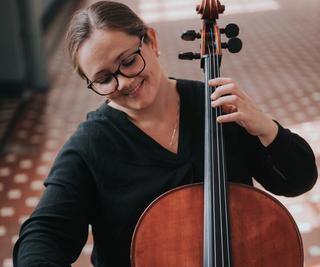
- Amalie Thing Helseth, cello
Camille Saint-Saëns: 2 pieces for piano four hands
Camille Saint-Saëns (1835–1921): 2 pieces for piano four hands
- Berceuse, Op. 105 (1896)
- Feuillet d’album, Op. 81 (1887)
Performers:
- Sveinung Bjelland, piano
- Gunnar Flagstad, piano
Augusta Holmès: Selections from Vingt mélodies
Augusta Holmès (1847–1903): Selections from Vingt mélodies (1872–1902)
Augusta Holmès was a French composer of Irish descent who wrote music in a time when expectations of female composers were often narrower than those of men. Holmès was a pupil of Franck, and she wrote songs of great emotional force and drama, as well as larger, powerful orchestral works.
- Toujours elle!
- Aubade-Habanera
- Plus Loin
Performers:
- Tine Thing Helseth, trumpet
- Roderick Williams, baritone
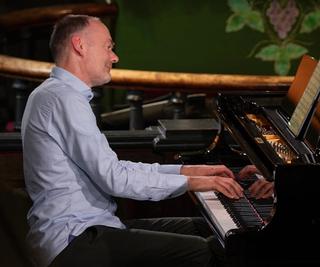
- Gunnar Flagstad, piano
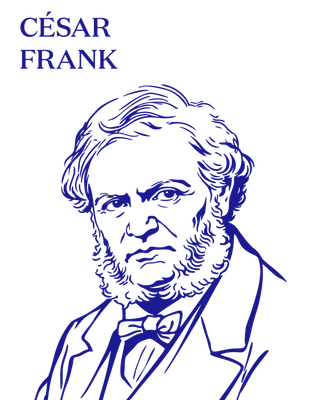
César Franck: Piano Quintet in F minor
César Franck (1822–1890): Piano Quintet in F minor, Op. 14 (1879)
- Molto moderato quasi lento
- Lento, con molto sentimento
- Allegro non troppo, ma con fuoco
Franck dedicated the work "To my good friend Camille Saint-Saëns" and completed it in 1879. Saint-Saëns played the piano part at the premiere on January 17, 1880. The work has been described as an explosion of stormy emotions, and today it is one of Franck’s major works.
Performers:
- Isata Kanneh‑Mason, piano
- Johan Dalene, violin
- Alena Baeva, violin
- Lilli Maijala, viola
- Frida Fredrikke Waaler Wærvågen, cello
Composers
Artists
See all artists →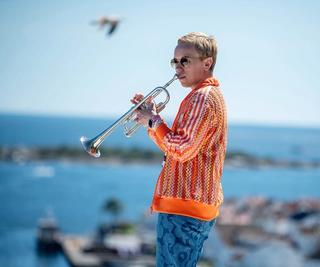
Tine Thing Helseth
Trumpet & Artistic Director
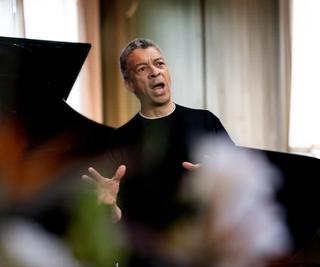
Roderick Williams
Baritone
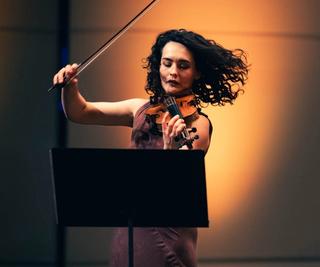
Alena Baeva
Violin
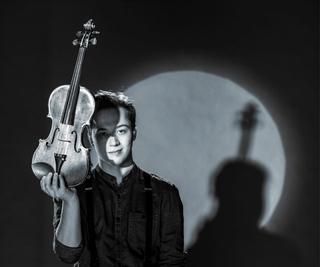
Johan Dalene
Violin
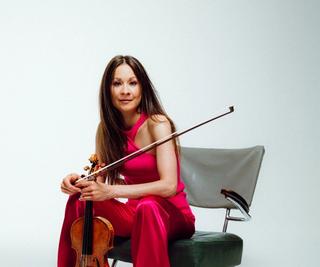
Arabella Steinbacher
Violin
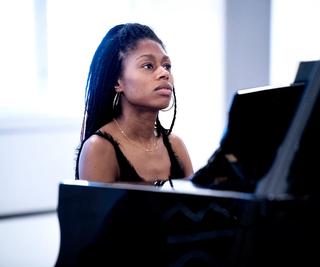
Isata Kanneh‑Mason
Piano
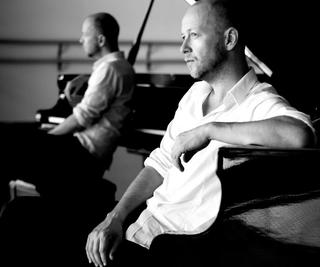
Sveinung Bjelland
Piano
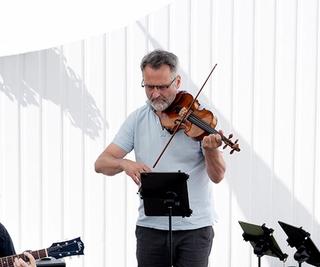
Jan Söderblom
Violin
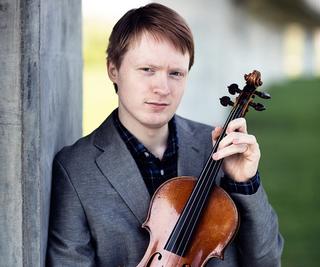
Eivind Ringstad
Viola
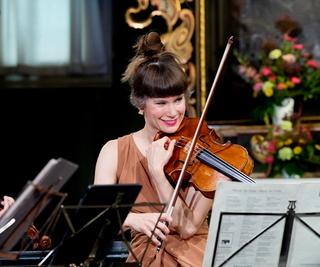
Lilli Maijala
Viola
Amalie Thing Helseth
Cello
Gunnar Flagstad
Piano
Lars Notto Birkeland
Organist